Friday, February 26, 2010

Corguette Pachadi

What is pachadi ?

Pachadi (పచ్చడి) refers to a traditional South Indian side-dish. Broadly translated, it refers to food which has been pounded. ...
en.wikipedia.org/wiki/Pachadi

Ingredients:
3 medium size Courgettes (grated rough)
3/4 cup grated coconut
3 green chillies
few curry leaves (optional)
1 tsp cummin seeds
1/2 tsp mustard seeds
2 tbsp cooking oil
1.5 cups yoghurt
salt to taste

What is Corguette ?

Courgette is the British, and particularly the New Zealand name for zucchinis. People in the UK may refer to courgettes as vegetable marrows. Zucchinis come in many shapes, and a few different colors. People are likely most familiar with courgettes that are long green oblongs, resembling a cucumber. Actually you can find round shapes, and yellow zucchini in many stores. Zucchini is perhaps the best known and most popular of the summer squashes.

Method for Corgutte Pachadi :

Blend together coconut, green chillies, curry leaves and cummin seeds
In a vessel heat up oil and splutter mustard seeds
Add the blended mix and fry for a little while
Add in grated corguette, fry a little more
Turn off flame and let it cool a bit
Add yoghurt and salt and mix well
Serve and enjoy

Serving suggestion: This dish could be part of the salad family and hence can be had either with rice and curry, with rice alone or with rotis...
Pachadi is a vegetarian preparation of Kerala origin and forms part of the 22-dish festive Onam meal
Read More

Wednesday, January 27, 2010

QUICKEST WAY TO STOP DIARRHEA

Recently i got this email and i want to share it

Home Remedy for Diarrhea

As some of you know Mr.Mithu recently suffered for 12 days with diarrhea and no medication seemed to be working.Then his cousin sent me this simple remedy and it worked almost immediately. Please read thru for know-how... and pass on to people who would value it...

How to cure diarrhea the simple home remedy way  

When someone gets diarrhea, sometimes the solution is so easy, we wonder why anyone has to suffer.
Of all the ingredients here, the most potent is Rice, but not in the usual form we eat it in, and neither would rice porridge work too well.


The secret is in rice water.


My mother knew about it. When Dr Albert Winsemius came to Singapore for a farewell and thank you dinner in his honor, he brought along his wife Aly and his granddaughter, Jolijn. Both women came down with very bad gastroenteritis. They saw the doctor who gave them medication. It was slow to work. Mother boiled some rice in lots of water and went to their hotel with two 1.5L bottles of rice water.  I cringed in shame at the offer of this folk remedy, which seemed so primitive to me. To my surprise, it worked, and they were even able to go out for dinner the next day. Both were exclaiming how the rice water did the trick of making them well again. Well, lucky it worked, I thought to myself.


I was discussing this some years back with Kim Ng, the ex-matron of KK Hospital. She said, yes, that is what Professor Wong Hock Boon, the notable pediatrician teaches. I was shocked and made some comment how could he? It was common knowledge so what had he to do with it?
Many months later, I regretted laughing at it.  Dr Christina Shanta Emmanuel, who is the CEO of...uh, which group I have forgotten, either National Health Group, or Polyclinics, or whatever.. regarded me seriously when I brought up the topic like it was good fun. She said that Prof Wong Hock Boon had presented a paper on it at some conference after he had done clinical trials. 
Then his results were published in the Lancet, the Medical Journal all doctors read. In fact, said Shanta, he was credited for saving the lives of 2 million African babies by this simple method.
I am impressed.

Rice water cures Diarrhea


It is rice water and not rice, that does the trick. I have found it effective again and again.
THE EXACT RECIPE
You take a handful of rice and boil it in a large saucepan with lots of water. Like three or four large glasses. Then you cool that and drink the water. If you are in a hurry to relieve the ailing person, take the saucepan off the fire and dunk it in a frying pan or basin of cool water with ice cubes if necessary. This gives the patient a chance to drink the rice water sooner and cure himself or herself sooner.


When drinking the rice water, make sure there is lots of it. You have to tell the patient that enough water must go in to line your guts from throat to other end, all 10 to 12 meters of it.  If you take rice, it stays in the stomach. If you take broth, some of it may go into the small intestine. But if you take rice water, it will carry rice grains to every inch of your small and large intestine to the end where the problem is.


How does it work? Read the article by going to this site:
http://rehydrate.org/dd/dd06.htm#page2

Read More

Friday, January 15, 2010

Good Weight watchers recipes

if you know the brand weight watchers , then you will like these recipes.

These recipes are  specifically  made to compliment a plan  to reduce weight.

GARLIC MASHED POTATOES ( weight watcher recipe)


2 lbs. baking potatoes, peeled and cubed
4 large garlic cloves, peeled and halved
1/4 cup fat-free sour cream
2 Tbsp. Skim milk
1 Tbsp. Reduced-calorie stick margarine
1/2 tsp. Salt
dash of ground pepper

garlic-mashed-potatoes


Put potatoes and garlic in a large saucepan. Add water to cover. Bring to a boil. Cover and reduce heat. Simmer for 20 minutes or until potatoes are tender. Drain and return potatoes and garlic to pan. Using a mixer, beat at medium speed for 1 minute or until smooth. Add source cream and remaining ingredients. Beat until well blended.
4 servings, 3 POINTS each

weight watchers PUMPKIN "PIE"

 
1 15oz can pumpkin (not the pumpkin pie mix)
5 oz evaporated milk
3/4 cup Splenda
1 tsp. Cinnamon
1/4 tsp. cloves
1/2 tsp. ground ginger
2 eggs


Combine all the ingredients. Spray a pie pan with a little cooking spray. Pour the pumpkin mixture directly into the pan. Bake at 375 for about 35 minutes or until firmly set.
8 servings, 1 POINT each


This was the first dessert I made when I started the program, and it gave me the courage to try others. You won't miss the crust. Add a big dollop of fat free Cool Whip!


Recipe for CAULIFLOWER  mix MEDLEY


A zip-top plastic bag works great for marinating because once the air is squeezed out of the bag, the marinade coats the food and no stirring is required. You may use a large bowl instead, but remember to stir frequently so the food gets evenly marinated.

weight watchers cauliflower


1 cups fresh cauliflower, broken into florets
1/2 cup fat-free Italian dressing
2 Tbsp. Sliced ripe olives
2 Tbsp. Capers
1/4 tsp. Cracked pepper
1 4oz jar diced pimiento, drained


Steam the cauliflower, covered, for 10 minutes or until crisp-tender. (Don't let it get mushy. I usually rinse the hot cauliflower in cold water to stop it cooking.) Place cauliflower, dressing olives, capers, pepper, and pimiento into a large zip-top plastic bag. Seal and shake gently to coat the cauliflower with the dressing mixture. Marinate in the refrigerator at least 8 hours. Serve cauliflower with a slotted spoon.
8 servings, 0 POINTS each
My thoughts: This is tangy and pretty and would be a great take-it dish for a picnic.


How to make MEATBALLS


1 pound 93% lean ground beef
1 cup uncooked oats (I used the quick cooking kind)
1 egg
1 pkg onion soup mix
Mix and form into 42 one inch balls (about a tablespoon each). Bake at 350
for 15 minutes or until no longer pink in the middle.
2 meatballs are 1 POINT

meatballs weight watchers recipe


These are great little meatballs, and they freeze well. Now I don't feel deprived when I make spaghetti!

Read More

Sunday, January 10, 2010

Gardening tips- get rid of nasty garden bugs organically with herbs

Good Companion for your veggie

patch – just plant HERBS


Herbs are good companions for vegetables in the garden. They can even assist in keeping some pests ( didn’t mean you.. did i .. ? ) away.

basil-tree BASIL is loved by bees but aphids and fruit fly don’t like it. It can be used as an ornamental border around the tomato patch. Though not a total deterrent to fruit fly it can help.  
chive-flower CHIVES are almost never attacked by disease or insects. Chives and parsley grow well together

 
corriander herb CORIANDER grows well with dill and anise but not with fennel  


dill herb gardening pests DILL benefits carrots and tomatoes as it lures pests. Dill attracts bees and repels white cabbage butterfly.

Fennel Herb pests gardening tips vegetable garden FENNELL is not good for beans, tomatoes and coriander.


herb_parsley veggie patch gardening tips PARSLEY is good near tomatoes and roses. Parsley and chives make good companions.

     
sage-herb for veggie garden and to remove pests SAGE protects carrots against carrot-fly and cabbage against the white cabbage butterfly.   


You can make your own safe spray for deterring insects from your crops by the following method:


Select suitable herbs such as crushed garlic, tansy leaves or wormwood leaves.
Younger leaves of a plant are the best to use. Place into a saucepan and cover with water and bring to the boil, for several minutes. Take away from the heat and strain the water off. Dilute this mixture with four times the amount of water and use at once. Pour into a spray bottle and spray your crops.

The sludgy mess left can be added to the compost heap.


Previous related posts


This spray is fully safe to humans and animals but repels some pests.
LADYBIRDS are the gardeners’ most useful insect friend. They will eat aphids and also scale insects and mites and the bean beetle.

Plant marigolds throughout your garden as the roots give off a substance which drives away the eel-worm. They are good to plant near potatoes, tomatoes and roses.

HANDY GARDENING  HINT

- Pepper sprinkled on wet leaves will protect them from caterpillars. You can spray a mixture of garlic “tea” and pepper to discourage caterpillars.

To make your own capers- soak nasturtium seeds is salt water for several hours. Rinse and pack in small glass jars. Boil a white wine vinegar and fill jars while still hot. Seal tightly and leave for one month before using.

Read More

Wednesday, January 6, 2010

HERBS that are also EDIBLE FLOWERS

Flowers could be part of your cuisine.  They offer another alternative to salt and sugar as seasonings.  All sorts of plants can produce edible flowers, though most people would be familiar with nasturtiums.

Please consult your doctor or local physician before consuming any herbs

HERBS that are also EDIBLE FLOWERS

All herb flowers are edible.

WARNING – Only eat flowers grown in your own organic garden.  If you pick flowers from other gardens they may have been sprayed with poisons.


clip_image001

BORAGE is an annual herb with a slight cucumber flavour.   The blue star shaped flowers add a nice decoration to salads and in cold drinks.  Mix the flowers in vegetables and fruit salads. Freeze them in ice cubes to float in iced teas.


To make these flowers edible use the petals only not the hairy stems.

clip_image002

CALENDULA also known as MARIGOLD is an annual that is popular in gardens.  The petals have a slight tangy, bitter taste.  Chop the petals and add to soups and rice dishes.  They are often used more for their colour than taste.


For centuries they have been an integral part of many of the world's great cuisines. Today we take for granted black pepper and the other spices over which wars where once fought. At one time only kings and other wealthy people could afford such a delicacy as cinnamon. Today all supermarkets and most small grocery stores have well-stocked spice shelves offering a wonderful selection of herbs and spices.

The term "spices" is often used broadly to include all seasonings. Spices come from the bark, roots, leaves, stems, buds, seeds, or fruit of aromatic plants and trees which usually grow only in tropical countries. Pepper, allspice, cloves, nutmeg, mace, cinnamon, ginger, saffron, and turmeric are spices.

Herbs are soft, succulent plants which usually grow in the temperate zone. Until recently cooks have had to make do with very few fresh herbs, such as sage, parsley, and thyme. Nowadays you can also find fresh basil, coriander, chervil, tarragon, rosemary, and dill. Since herbs are at their best when they are young and freshly picked, it is well worth growing your own.


Use very sparingly as too much will give a strong bitter taste.

clip_image003

CHIVES produce heads of either purple flowers if they are onion variety or white flowers if they are garlic variety. As chives are perennial they can be used as a border for your vegetable or herb garden.  Pull apart the chive flowers and use in salads.


clip_image004

CITRUS BLOSSOMS come from lemon and orange trees.  Use the petals sprinkled on fruit salads and in soups.


clip_image005

DILL is an annual with yellow flowers.  Break up the flower heads and use them in salads.  You can also sprinkle them over vegetable dishes. Very popular in a bottle of herb flavoured vinegar.


clip_image006

FENNEL is a perennial herb that closely resembles dill.  Use the chopped flowers over potato or tomato dishes.


clip_image007

LAVENDER is a very popular herb well known for its fragrant purple flowers.  The flowers can be used fresh or dried.  Can be used in flavoured vinegars and cooked in scones and in homemade ice-cream.


clip_image008

MUSTARD flowers have a strong taste so use sparingly in salads or sprinkle on cream soups.


clip_image009

NASTURTIUM flowers range from yellow to orange to reds.  The flowers, leaves and seed pods of nasturtiums are all edible.  The tangy flavour is peppery. The petals can be sprinkled or sliced into strips over salads.  The seed heads can be pickled and used as capers.


clip_image010

ROSEMARY is a perennial herb with small blue flowers.  Sprinkle these flowers over salads and vegetable dishes.  Use sprigs of rosemary on top of lamb when cooking.  The flowers can also be added to herb vinegars.


clip_image011

SAGE is a perennial herb of purple flowers. Sprinkle the flowers over a green salad.

Read More

Sunday, January 3, 2010

Genetically Contaminated FOOD

Genetic Contamination. The term was popularized by environmentalist Jeremy Rifkin in his 1998 book The Biotech Century. One more term added to the dictionary of pollutions, The Genetic Pollution or Genetic Contamination. 

Genetic Contamination or Pollution can be described as the serious side effects  that may occur due the unintentional process of genetically modified organisms (GMOs) dispersing their genes into the natural environment by cross breeding with wild plants or animals in the nature.

Dangers of Genetic Contamination:

Genetic engineering helps institutions or scientists to create plants, animals and micro-organisms by manipulating genes in an artificial way.These genetically modified organisms (GMOs) can spread through nature and interbreed with natural organisms, thereby contaminating naturally occurring animals and plants .

The dangers behind Genetic contamination cannot be explained with one or two posts. I feel that it need minimum ten big posts to give a clear idea about that. Anyway I will explain few aspects.

This alteration can create new species whose reproduction, health safety, natural good effects are altered in an unpredictable way. Once the natural environment is contaminated with such modified organisms then this cannot be recalled or rectify back to older condition.

if a crop is Genetically Modified?

There are some good effects for Genetically Modified like controlling weeds, increasing output etc. But the hidden danger is that these GM crops will be mingled with natural breeds and outcome cannot be determined.

An Example:

Bayer CropScience AG, a subsidiary company of the German chemical giant Bayer AG developed a Genetically Modified rice, – technical name LL62 – has been genetically-engineered to withstand high doses of glufosinate, sprayed on rice fields by farmers to control a wide range of weeds. The weeds will die, the GE rice will survive.

Moreover, using such Genetically Modified crops will give a monopoly to seed producing Multinational companies. Farmers will have to pay some money to such companies for using the seeds again. Or most of the times, Genetically Modified crops will not produce seeds that can generate next generations, we say it as “KILLER CROPS”

Health Dangers of Genetically Modified crop foods

  1. Lack of Safety Testing—Genetically Modified crops produces food that never tested for its long term safety.Toxins and Allergic Reactions or Side effects—Genetically Modified crops are mutated and may create new and higher levels of toxins in foods. This can create some Allergic reactions or even can turn deadly.

  2. 37 people died, 1500 were partially paralyzed, and 5000 more were temporarily disabled by a syndrome that was finally linked to tryptophan made by genetically-engineered bacteria.

  3. Decreased Nutritional Value—Transgenic foods may mislead consumers with counterfeit freshness. A luscious-looking, bright red genetically engineered tomato could be several weeks old and of little nutritional worth.

  4. Presence of Antibiotic Resistant Bacteria—Genetic engineers use antibiotic-resistance genes to mark genetically engineered cells. These genes may be picked up by bacteria which may infect us.

Where to find details of a Genetically Contaminated Material

Here is a Genetic Contaminated Material Register which will help you to find details of a crop or anything of your choice.This GM register contains details of:

*contamination incidents – where food, feed or a related wild species have been found to contain unintended GM material from a GM crop or other organism

Read More

Thursday, December 24, 2009

About Health Food Fitness And Gardening Blog

Welcome and  we hope you  Enjoy passing through  or becoming a member of our blog. we  are trying to build  community of like minded people interested in  fitness , health , food and gardening and inviting you to  participate  by posting articles or then just visiting  us  to check out the latest  articles and  psots by our members.

Healthy Eating

A diet consistent with the Healthy Eating recommends people consume a variety of foods across and within the five food groups and avoid foods that contain too much added fat, salt and sugar. The Guide aims to promote healthy eating habits throughout life, which will assist in reducing the risk of health problems in later life, such as heart disease, obesity and Type 2 Diabetes.
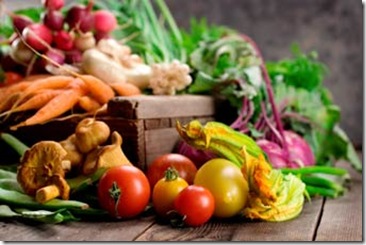
healthy-food fitness foods gardening veggie patch foods

After studying two years’ worth of consumers’ eating behavior, professors found that the quality (“This homemade fudge is fantastic!”) and quantity (“I’ll have some more homemade fudge, please!) of foods consumed during weekend and holiday meals is considerably different from regular weekdays. The Guide aims to encourage the consumption of a variety of foods from each of the five food groups every day in proportions that are consistent with the Dietary Guidelines for Australians. The five foods groups are:

    • Bread, cereals, rice, pasta, noodles
    • Vegetables, legumes
    • Fruit
    • Milk, yoghurt, cheese
    • Meat, fish, poultry, eggs, nuts, legumes.

It is expected that small amounts of unsaturated fats and oils will be consumed with breads and cereals but additional fats and foods such as cakes, biscuits, hot chips and sugary drinks should be consumed only occasionally.

Fitness plan  gym

Healthy eating is not about strict nutrition philosophies, staying unrealistically thin, or depriving yourself of the foods you love. Rather, it’s about feeling great, having more energy, and keeping yourself as healthy as possible – all which can be achieved by learning some nutrition basics and incorporating them in a way that works for you.

The Dietary Guidelines for Adults (2009) are:

  • Enjoy a wide variety of nutritious foods
    • Eat plenty of vegetables, legumes and fruits
    • Eat plenty of cereals (including breads, rice, pasta and noodles), preferably wholegrain
    • Include lean meat, fish, poultry and/or alternatives
    • Include milks, yoghurts, cheeses and/or alternatives
      reduced-fat varieties should be chosen, where possible
    • Drink plenty of water
and take care to:
  • Limit saturated fat and moderate total fat intake
  • Choose foods low in salt
  • Limit your alcohol intake if you choose to drink
  • Consume only moderate amounts of sugars and foods containing added sugars
  • Prevent weight gain: be physically active and eat according to your energy needs
healthy-food- map image fitness diet fitness plan
“Eating healthfully is a lifestyle, which includes permission to step outside of the ‘healthy food box.’ Coming prepared to holiday events is your key to success. Never show up starving; eat a small, healthful snack prior to dining out. Peruse the offerings and after waiting a minute or two if you still really want it, then it is more than an impulsive selection. … Feeling that you are controlling your choices will help you feel good during and after the meal.”


FITNESS AND FOOD


For fitness and food both to impact, Choose the types of foods that improve your health and avoid the types of foods that raise your risk for such illnesses as heart disease, cancer, and diabetes. Expand your range of healthy choices to include a wide variety of delicious foods. Learn to use guidelines and tips for creating and maintaining a satisfying, healthy diet.

super foods for fitness and dieating

What exactly does 'fit' mean?

Different authorities have differing opinions on what makes someone 'fit'. The bottom line is this: if you're physically fit, you can do your chosen form of exercise without ending up completely exhausted. To do this you need: strength, endurance, speed, flexibility, and so on (see our glossary at the bottom for more details). To be good at a particular sport (also called motor fitness), you might also need quick reaction times, agility, balance, co-ordination, and power.

What do the numbers mean?
  • Body Mass Index (BMI) - The BMI is the ratio of your weight to the square of your height. The number is proportional to your body shape. Generally, the number is small for thin people and large for fat people. People with a BMI 25 or greater are considered overweight, unless they have a very muscular body. The BMI does not consider the fat/muscle ratio, and a healthy, muscular individual with a low percentage of body fat may be classified obese using the BMI formula. This is a well-known deficiency of the BMI formula. If your BMI is 25 or greater, and your Waist-to-Height ratio is less than 0.5 and your Percent Body Fat is in the "athlete" or "fitness" category, you are probably muscular and not fat.
  • Waist-to-Height Ratio - The Waist-to-Height ratio is determined by dividing the waist circumference by the height. Waist-to-Height ratios of 0.5 or greater are indicative of intra-abdominal fat for both men and women and are associated with a greater risk of cardiovascular disease. A study found that persons with a normal BMI but a large waist circumference, corresponding approximately to a Waist-to-Height ratio of 0.55, had a 20% higher mortality risk than persons with a normal waist size.[7]

Natural Fitness yoga mat  gardening  healthy food

  • Percent Body Fat - The percent body fat is calculated using the formulas developed by Hodgdon and Beckett at the Naval Health Research Center in 1984. The formulas require the measurements to be in centimeters with an accuracy of 0.5 cm. However, the form above has been adjusted to accept measurements in inches. Men and women require different methods for measuring because men accumulate fat mostly in the abdomen (the "apple" body shape or "beer belly"), while women accumulate fat in their abdomen and hips (the "pear" body shape). The equations take this into consideration.
Fit me up, then!

If you've decided to get fit, don't keep putting it off: procrastination is deadly. Then again, a little thought is needed first, rather than going at it hell for leather. People who go straight in without any knowledge or the right gear can earn some serious chafing and blisters, making them more likely to give up.

Most trainers suggest that you should start gradually and build up from there. If you're completely unfit or have had any illness or ongoing health problem, consult your doctor before starting an exercise regime. Exercise can improve many health conditions, but check first, in case you have something that needs temporary rest. Make sure you're wearing the right clothing and have the correct safety equipment if required.

Pick a form of exercise that you can do frequently and will enjoy. You can also mix up the types of exercise that you do, for all round body conditioning.  Remember that getting fit can take several weeks or months. It's easy to get frustrated or give up, but hang in there. You should see some obvious results within six to eight weeks.

Eat enough calories but not too many. Maintain a balance between your calorie intake and calorie expenditure—that is, don't eat more food than your body uses. The average recommended daily allowance is 2,000 calories, but this depends on your age, sex, height, weight, and physical activity.

Keep portions moderate, especially high-calorie foods. In recent years serving sizes have ballooned, particularly in restaurants. Choose a starter instead of an entrée, split a dish with a friend, and don’t order supersized anything.

Limit sugary foods, salt, and refined-grain products.   Sugar is added to a vast array of foods. In a year, just one daily 12-ounce can of soda (160 calories) can increase your weight by 16 pounds. See suggestions below for limiting salt and substituting whole grains for refined grains.

A simple Fitness plan


The first phase: get your body used to frequent moderate levels of activity for the first four to six weeks. Your exercise should include stretching and a warm up, continuous aerobic activity, some toning exercises, and a warm down afterwards. To see benefits you need to do enough to increase your heart rate (to between 60 and 70% of its maximum) and make you breathe deeper.

Improvers: increase your levels of activity slightly every couple of weeks. Your body is adapting to the exercise, so you need to push it slightly harder to keep getting results. Increase the length of your exercise sessions, or the intensity of them.

Maintenance: after about six months, the average person has reached a level of fitness that they're happy with, and decides to stick with their current level of exercise to maintain their fitness. If you're training for sport or competitions, you will probably need to push yourself for longer.

----------------------------------------------------------------

Fiber

Dietary fiber is found in plant foods (fruit, vegetables and whole grains) and is essential for maintaining a healthy digestive system. Fiber helps support a healthy diet by:

  • Helping you feel fuller faster and longer, which can help prevent overeating.
  • Keeping blood sugar levels even, by slowing digestion and absorption so that glucose (sugar) enters the bloodstream slowly and steadily.
  • Maintaining a healthy colon - the simple organic acids produced when fiber is broken down in the digestive process helps to nourish the lining of the colon.

The two types of fiber are soluble and insoluble:

  • Soluble fiber can dissolve in water and can also help to lower blood fats and maintain blood sugar. Primary sources are beans, fruit and oat products.
  • Insoluble fiber cannot dissolve in water, so it passes directly through the digestive system. It’s found in whole grain products and vegetables.

A healthy diet should contain approximately 20 to 30 grams of fiber a day, but most of us only get about half of that amount.


Diet and Fitness


The Best ABS diet


If you've been on a quest for flat abs, the male-centric Abs Diet may be the solution. This diet promises to flatten your stomach in six weeks, allowing you to lose 20 pounds of fat on average. While having an enviable midsection is the most obvious pay-off, creator and editor-in-chief of Men's Health David Zinczenko says that by reducing your waist circumference, you'll also decrease your risk of heart disease and diabetes, boost your longevity and improve your sex life.

To help you achieve these goals, you're required to follow six guidelines: Eat six meals a day (three meals and three snacks), make 12 "powerfoods" the focus of your diet, drink smoothies regularly, stop counting calories, watch what you drink and best yet, forget all of these guidelines for one meal a week.

So what are these 12 foods? They include almonds and other nuts; beans and legumes; spinach and other green vegetables; dairy (like fat-free or low-fat milk, yogurt and cheese); instant oatmeal; eggs; turkey and other lean meats; peanut butter; olive oil; whole-grain breads and cereals; extra protein (whey) powder; and raspberries and other berries.

Exercise is also a crucial part of this program, and although one interval workout and two optional cardiovascular workouts are recommended, the focus is on strength training. Zinczenko's philosophy, after all, is that you should minimize your exercise time while maximizing your results, and in his opinion, strength training gives you the most bang for your buck.


Bead  Fitness diet
What is it? A calorie-counting plan that uses a beaded bracelet to help you diet. Each bead equals 100 calories, so if you want to eat 12,000 calories per day, slide 12 beads onto one string of the bracelet. Then when you eat 100 calories, slide a bead onto the other string.
What can I eat? Anything! As long as you know the calorie content.
How much weight will I lose? It depends, but if you stick to 1300 cals a day, you could lose six kilos in six weeks.
Why is it hot right now? Delta Goodrem is rumoured to be a fan and actress Kate Beckinsale makes her own diet bracelets for friends. Forget those red Kabbalah bracelets, you'll be seeing Hollywood's elite wearing diet beads in 2008.
How can I do it? Buy a bracelet at www.ilovethiscolor.com/dietbracelets or make one. Take a piece of wool long enough to wrap around your wrist twice and then thread enough beads onto one strand of the wool. When you've eaten, just slide the bead to the other strand.

Super-fruit: The pomegranate
What is it? It's a wonder fruit! With about 105 calories, pomegranates are a great source of potassium. Pomegranate juice contains antioxidants which can help fight cell damage and so protect against heart disease, cancer and other diseases. It can even help lower cholesterol.
Why are they so hot right now? The lowly pomegranate was just named by Oprah Winfrey as being in her food hall of fame and sales in America have more than doubled — Oprah even drinks pomegranate martinis.

Gardening your way to fitness

Gardening can be a great workout and boost for body and soul -- if you do it right.

As a gardening enthusiast, you've probably spent many hours reading and researching about how to produce a healthier, more beautiful garden. But have you ever thought about how gardening can produce a healthier you?

At a time when fitness professionals are touting the advantages of regular, moderate exercise, gardening is being recognized as a healthy lifestyle habit that can provide significant benefits to people of all ages. Studies show that 30 minutes a day of moderate activity, such as gardening, may decrease the risk of numerous chronic ailments including heart disease, stroke and type 2 diabetes. And in addition to gardening's physical benefits, proponents point to the psychological boost conferred by accomplishing a task and literally taking time to smell the roses.

The key, Lovejoy says, is to see gardening not as a punishment but a joy. "You should feel lucky to be outside in the garden," she says.

Gardening is a great alternative to traditional exercise because it incorporates elements of accepted exercise routines while enabling you to engage in an enjoyable activity in the privacy of your own surroundings.

Research shows that gardening for 30-45 minutes most days of the week has significant health benefits, such as decreasing the risk of high blood pressure and diabetes, as well as contributing to healthier bones, muscles and joints. Elements of gardening such as digging, weeding, trimming shrubs and mowing the lawn can require the same energy requirements as other physical exercise activities such as walking, cycling, swimming and aerobics.

We're not saying that going to the gym is bad, or that you shouldn't jog around the block or walk on a treadmill. If that's what you enjoy, then by all means, keep doing it! But if you're the type of person who dreads going to the gym, or who can't seem to find enough time to work out, then adding fitness activities into your everyday routine will make you happier and healthier with no extra time spent. Even if you're already a fitness junkie, converting to a more active daily routine can only help.

Read More

Subscribe

Enter your email address:

Delivered by FeedBurner

Promotions